Why we use Sound with our Crystal Beds and why it heals.
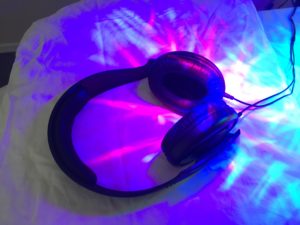
Sound work is “creating a frequency and vibration for someone that’s conducive for him or her to heal,” says Joshua Leeds, the author of The Power of Sound and an expert in the field of psycho acoustics, the study of the effects of sound on the human nervous system.
“Sound healing is trending up. It’s like where yoga was 15 years ago. People are realizing that sound is a viable medium to address distress, enhance learning, even work with an autistic child.”
“When the brain is in synchronicity, there’s more focus,” says Carol Moore, marketing director of Monroe Products, which makes Hemi-Sync verbal meditations and music that contain embedded binaural beats.
“Our sleep titles help drop you into the deep delta waves. Electrical activity in the brain gets slowed down.” Some of the products are designed to help people recover from a stroke or surgery, deal with chronic pain, or become more relaxed while undergoing chemotherapy. “You might envision the drugs as a love potion, rather than poison. It’s creating a state where you can say, ‘This is coming into my body to heal me, not to do damage to me,’ ” says Moore.
Brain-wave entrainment isn’t without its skeptics, but some research supports it. In 2008, the journal Alternative Therapies in Health and Medicine published a review of 20 studies of brain-wave entrainment and patient outcomes. The conclusion was that brain-wave entrainment is an effective tool to use on cognitive functioning deficits, stress, pain, headaches, and premenstrual syndrome.
The studies also suggest that sound work can help with behavioral problems. “Different brain-wave patterns affect emotions,” says Bill Harris, who created Holosync products. His system uses sounds like rain and crystal bowls—there’s no beat or melody—with a pulsing tone underneath. He also uses custom affirmations, which people record in their own voices. “You’re practicing going into a brain-wave pattern. It causes the brain to organize at a more complex level. It takes what you can handle emotionally and intellectually and pushes it higher,” says Harris. “I’m not claiming this cures cancer. But it does have a profound effect on people’s physical health. A lot of people come to us for chronic pain, irritable bowel syndrome, psoriasis, things that are exacerbated by stress.”
From humming to drumming to Tibetan singing bowls – recent research suggests that the influences of certain rhythms, sounds and vibrations can help us resist and recover from a wide variety of ailments.
Now, a growing body of research suggests that when used in a directed way, sound can also help us reduce stress, create a deep sense of well-being and even promote healing.
Stress hormones decrease under these conditions, which is good news for everyone, but especially for people with a serious illness. That’s one reason Mitchell Gaynor, MD, an oncologist and assistant clinical professor at Cornell University’s Weill Medical College in New York, uses singing bowls with his cancer patients.
Sound therapy, many experts say, is at the cutting edge of healing. And soon, they insist, like yoga and meditation, it will enter the mainstream.
